
Queer Memory Map of Maputo: Notes on the Map
Eleven places. One city. A fragment of queer memory in Maputo.

Maputo is a city that holds histories in its streets, bars, squares, pitches, houses and more. Some of these histories are queer, but held further back than others. Sometimes queer histories are shared, but in whispers, passed between people or buried in texts read by few. To bring some of them forward, this map turns to queer studies of Mozambique, a still understudied field, though in the last two decades it has been gaining more traction, with more queer Mozambican memories being told and recorded.
What these sources hold, mostly, is about life: how people discovered and lived their sexuality, how they organised, found each other and got information. Places surface within these stories almost in passing, in a single sentence, sometimes in more. This map takes those mentions and makes those places the anchor, telling those histories through them.
These sources were read with a single question in mind: where? If they mention a place in Maputo that held queer memories, it was extracted and saved. From that reading, eleven places emerged, spread across the city, from places where queer organisations were founded, to cruising spaces. These mentions were concentrated mainly in two authors: Francisco Miguel’s research addressing the institutionalisation of homosexuality in southern Mozambique; and Caio de Araújo’s work on queer sociability, migration and sexual citizenship. However, their work is predominantly centred on people whose experiences fall under the categories ‘gay’ or ‘homosexual’1, meaning that the map underrepresents the places that held LBQ (lesbian, bisexual and queer) women, having only one source, Timbana’s undergraduate thesis, that reflects their experience.
This map is built from what these sources show—including who wrote them, from where, and what they had access to. It inherits their gaps as well as what they reveal, making this map not a guide to where queer Maputo is, but an account of where, in these sources, it has been. The eleven places that follow are arranged here chronologically, beginning in the late colonial period.
The walking tour arranges the same places as a route through the city. Find it here.
Gerry Wilmot's House (1960s, late colonial)
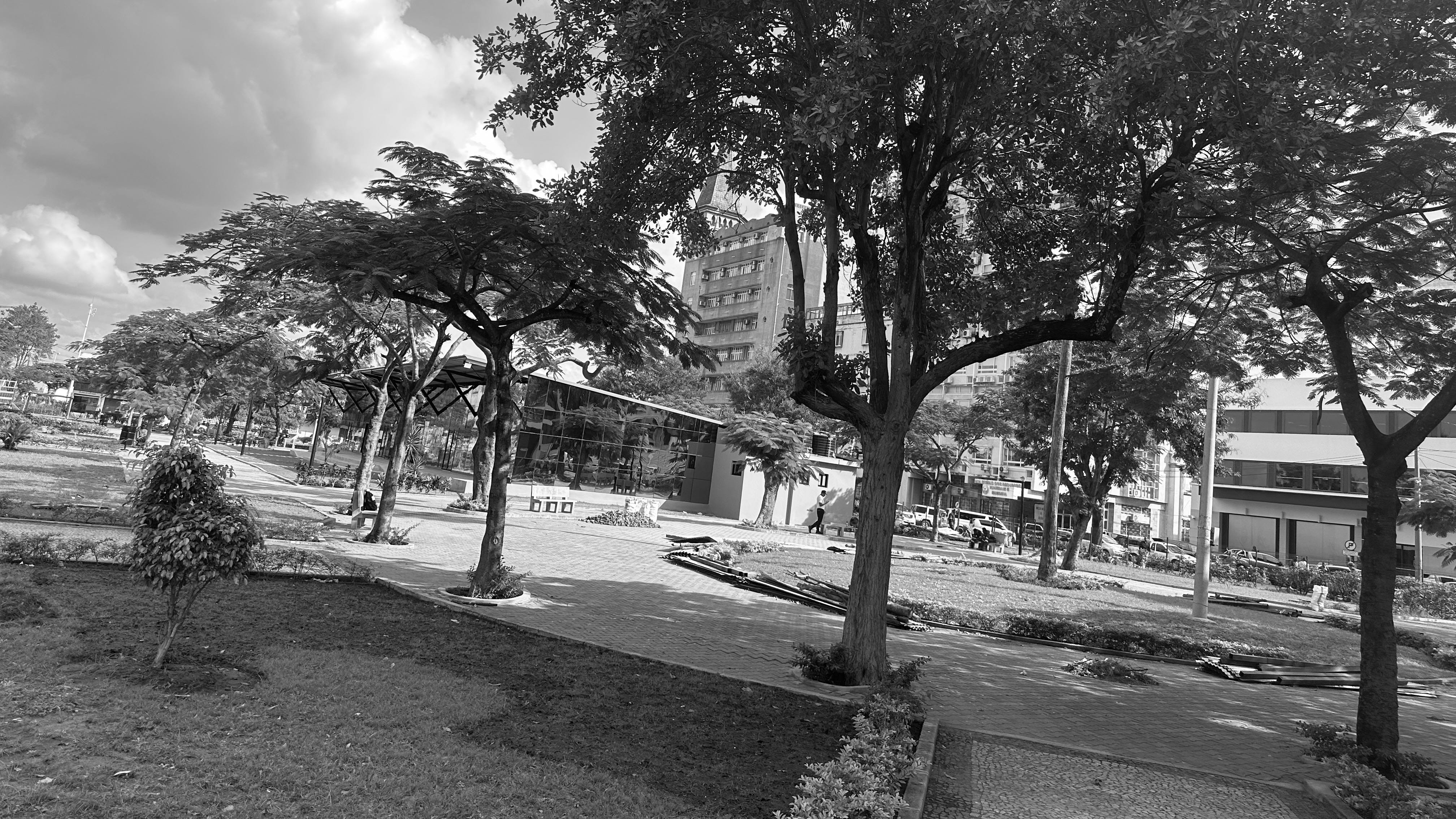
The colonial government in Mozambique had a particular way of engaging with queerness. The main ideology that governed it believed that homosexuality was a vice of the civilised, a “deviation” that existed only amongst urban Europeans and unthinkable for the non-civilised mind—that the sex drive was only for reproduction2. This framing meant the colonial state in Mozambique met queerness with ‘indifference’ rather than active persecution, granting the perception of the ‘Portuguese tolerance’3 regarding queerness among neighbouring colonial states like South Africa, and making colonial Maputo a safe haven for white gay settlers in the region. It was within this context that Gerry Wilmot’s house emerged.
Gerry Wilmot was the director of English-language programming at Radio LM (Radio Clube de Moçambique) and parties at his Katembe house, exclusively white, were a centre of sociability and contact among white gay South Africans and Mozambicans, creating a strong social network among gay white men between the two countries4. Among the all-white participants, Gulamo Khan—a Mozambican writer and journalist who served as Samora Machel’s communications advisor and was among those who died with the president in the 1986 plane crash—stood out as the only person of colour present there5, though the sources don’t explain why. Every Saturday evening at a quay located at Praça 7 de Março (7 March Square)—now Praça 25 de Junho (25 June Square)— in downtown Maputo, two boats would carry the guests across the bay6.


Thicket near Costa do Sol Beach (1960s, late colonial)
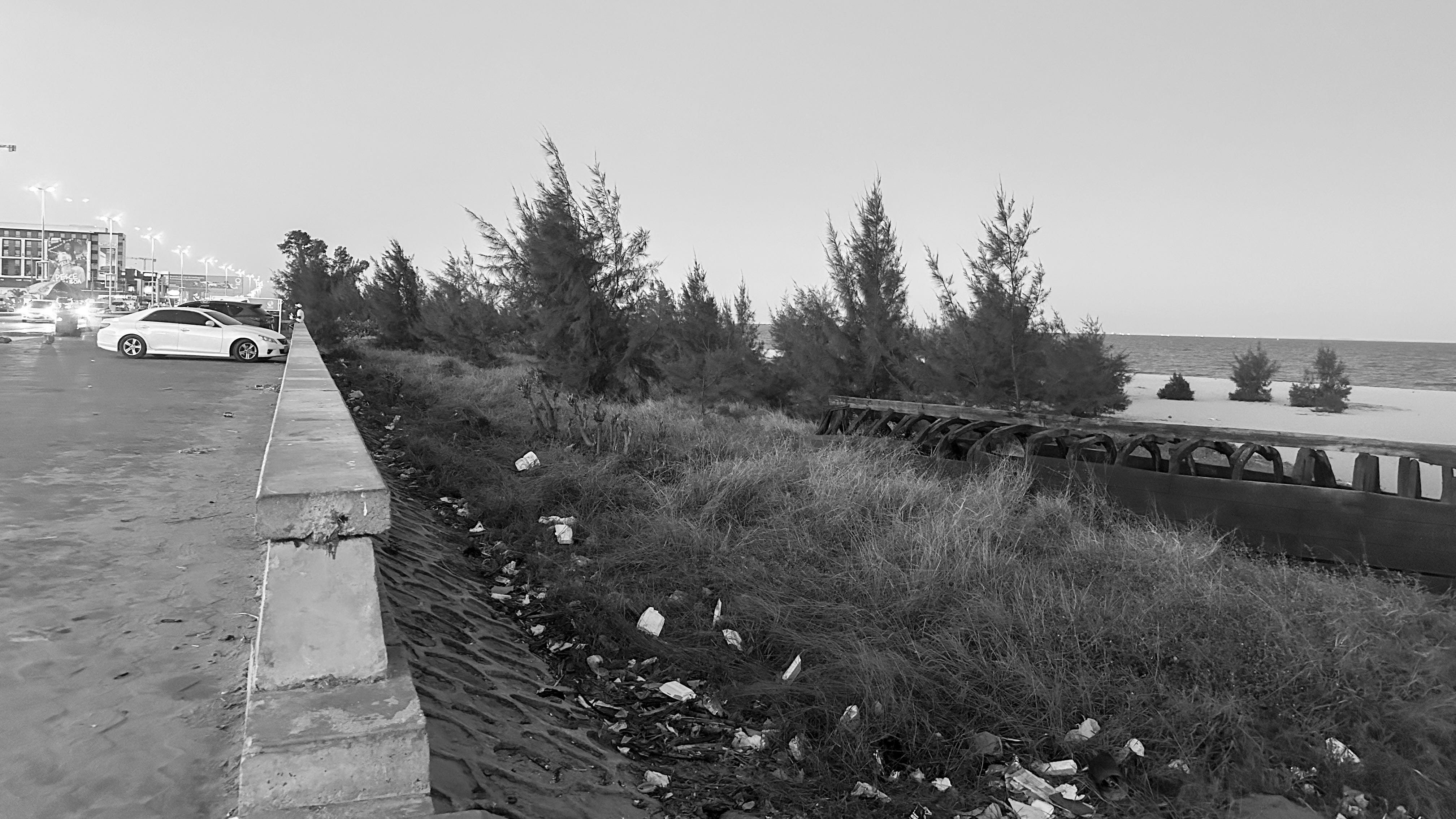
A thicket near Costa do Sol beach was a known cruising spot in Maputo. This comes from a single account by a native assimilado7 man from Maputo, recalling an encounter with the police in the 1960s at an unspecified spot. The police officer found the native man with a white man in the thicket, then issued a warning and let them go8. However, the account suggests that the warning was issued only when both men finished what they were doing there—sexual activities. This account establishes two things: that the thicket was a cruising spot familiar not only to the men who used it, but also to the state, or at least a fragment of it. And it also reinforces the perception of the apparent ‘Portuguese tolerance’ regarding queerness, where the state rarely persecuted it, or when found, issued only a warning.
Angola Avenue (1950s-1970s, late colonial)
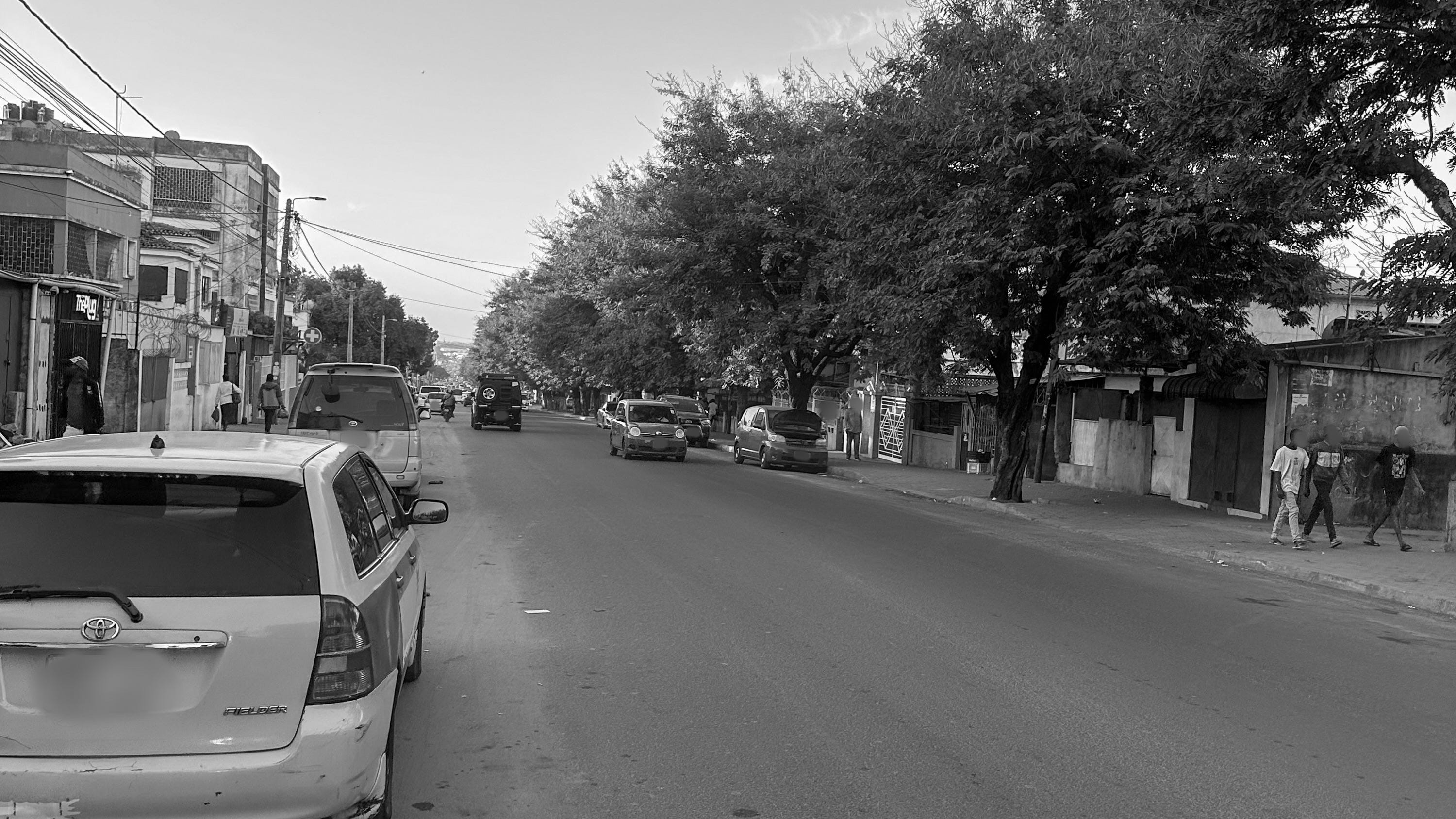
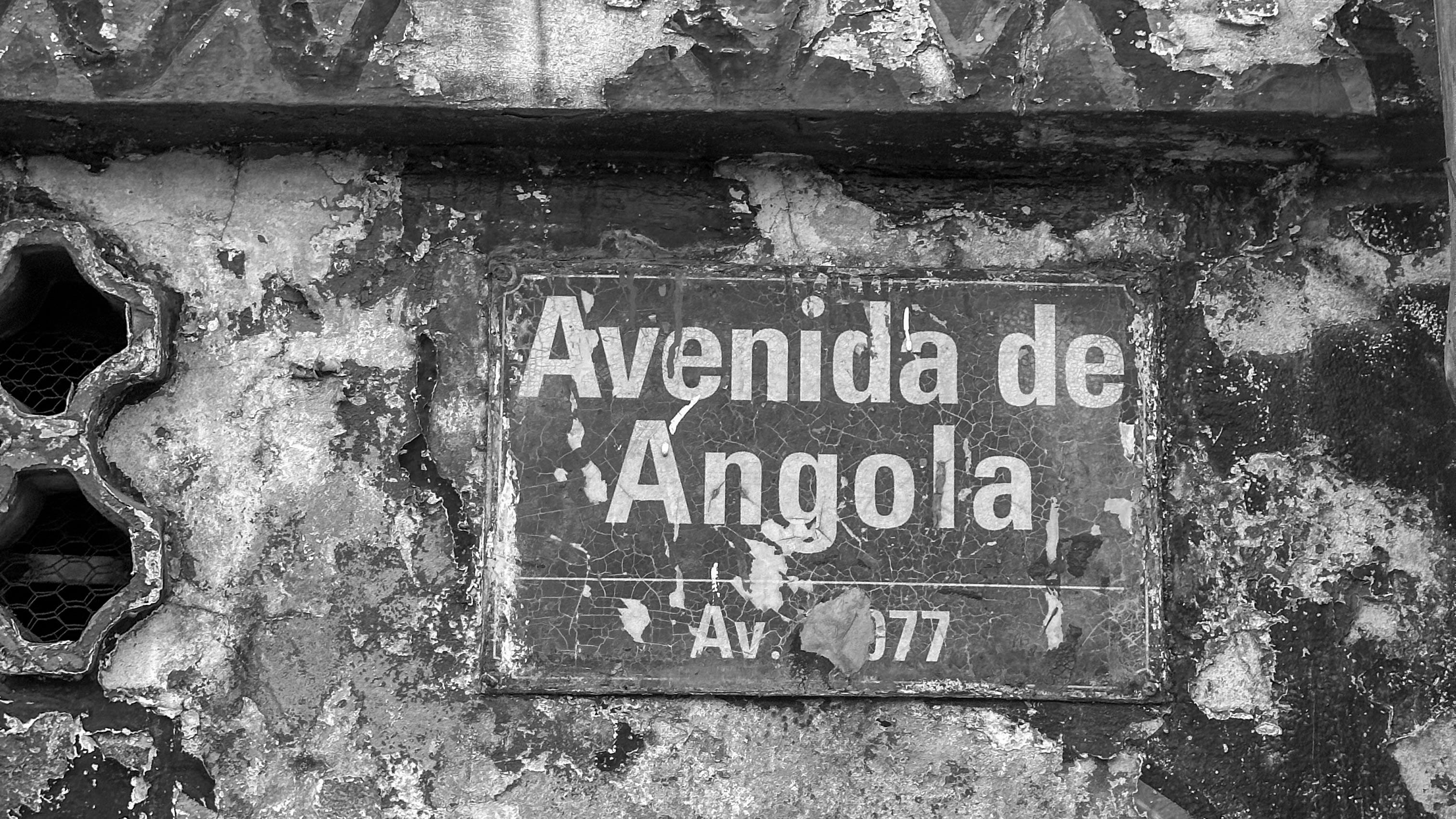
In the early 1950s, Notícias newspaper described the carnival spectacle that drew thousands of natives onto Angola Avenue—an avenue that runs along the colonial Maputo periphery—noting their costumes, dances, drums and the festivities it brought. From the mid-1950s, amid the growing tensions of the liberation struggle in the north, police notices were published in newspapers laying out the punishable practices for the carnival period. The bans ranged from what kinds of costumes were not allowed—those that completely hid one’s identity, or were ‘morally wrong’ and made fun of public figures—to how the festivities were to be conducted. These bans and state surveillance led to a significant drop in participation in the avenue’s festivities, to the extent that a column called on the authorities to allow natives to enjoy ‘their’ carnival again9.
Inside this contracting carnival, a single native account reveals something else: that the carnival at Angola Avenue was not only a place for fun, but also for experimentation. It was in this space and time that he dressed as a woman in public10—a desire he had cherished since childhood, but which he was only able to fulfil during the carnival period, when certain rules around gender expression were temporarily lifted. This is what the carnival space held, at least for this one account.


Malhanga Bar (1974-1975, late colonial)
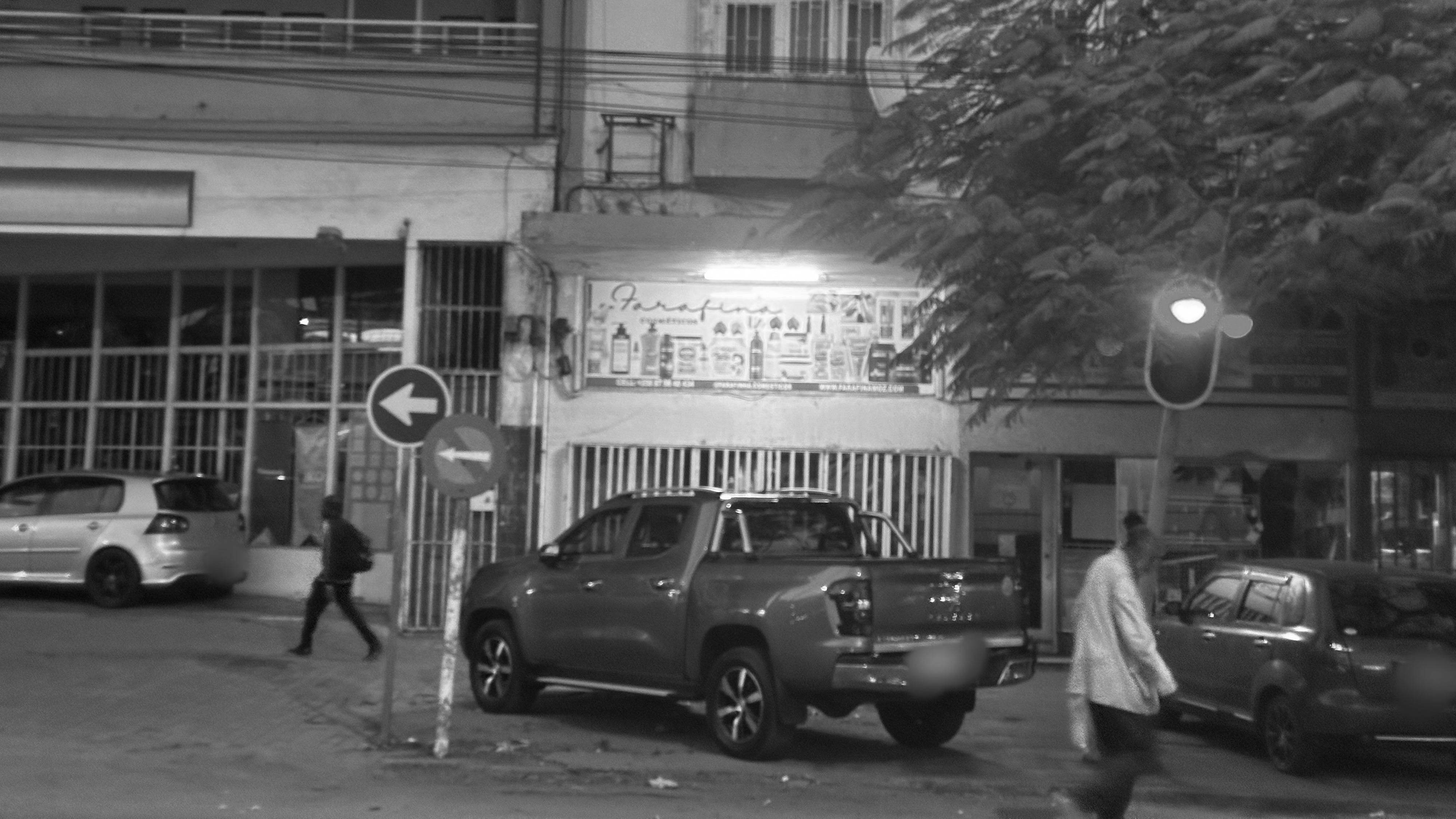
Malhanga Bar was a well-known establishment in the centre of colonial Maputo—a zone reserved for white settlers and some assimilados. The bar was owned by a white man11, and in the carnival period, the bar hosted a transnational travesti circuit called Baile das Bonecas (The Dolls’ Ball). The events included competitions for best travesti, best costume, best mask, and best group12. They were widely publicised in the Notícias newspaper, which even featured a lengthy interview with one of the circuit’s performers, the Brazilian travesti Cassandra, who had been touring in colonial Maputo for five months13. Malhanga Bar was that regular venue where, under the licence of entertainment, certain activities were permitted, advertised and even rewarded.


Bagamoyo Street (colonial through post-independence)
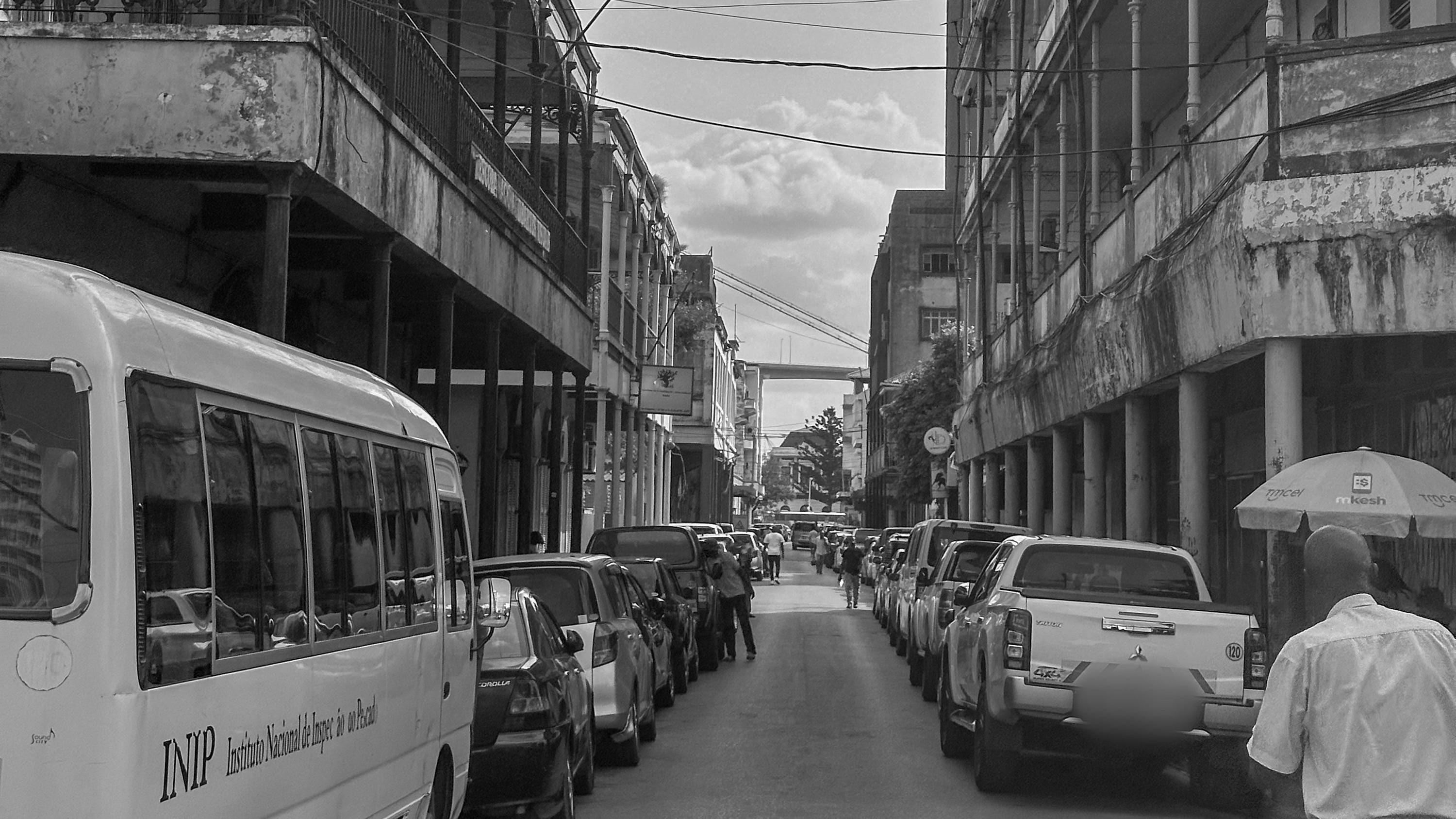
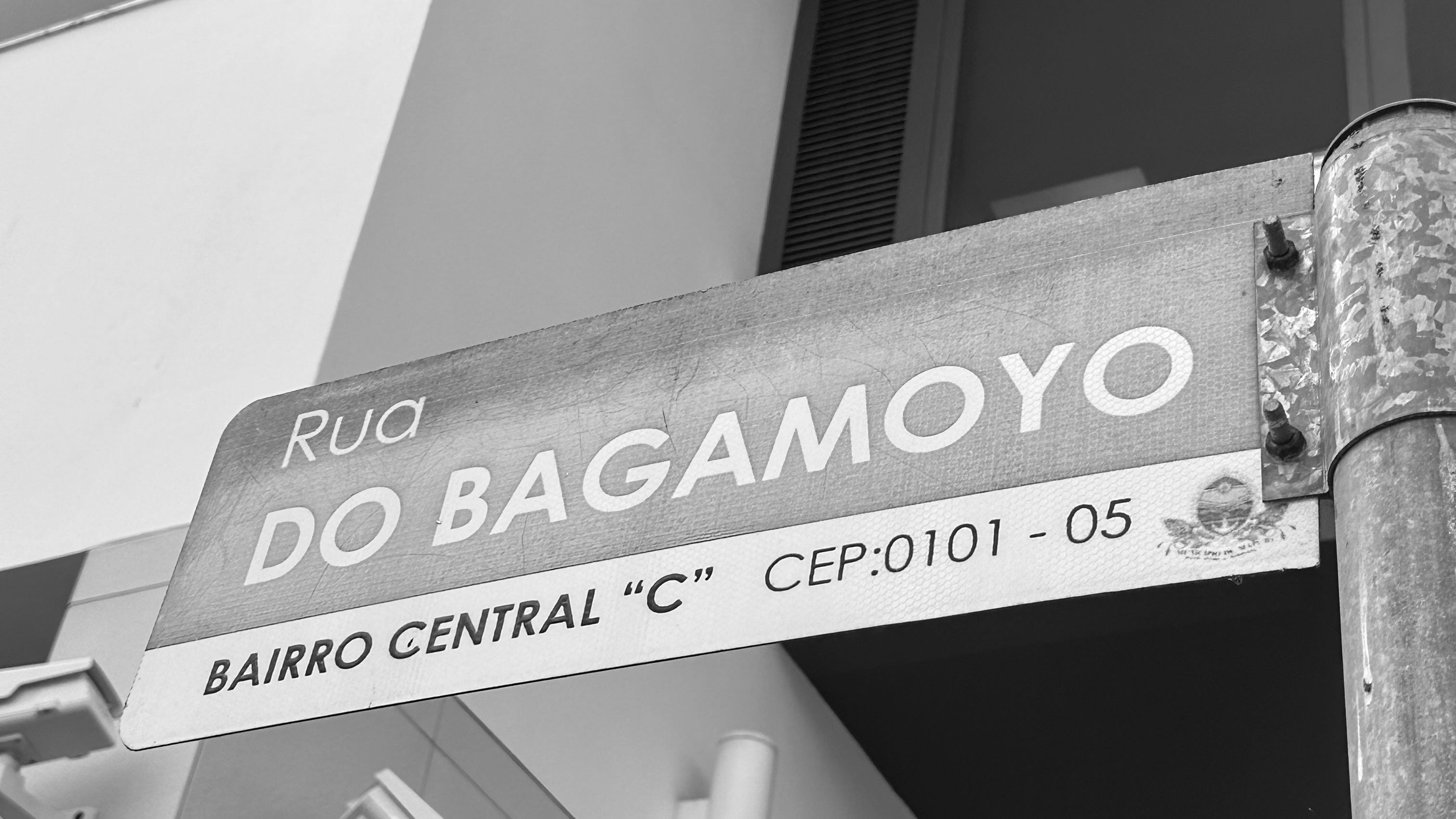
Bagamoyo Street (formerly Araújo Street) is a historic and still active red-light district in Maputo. The street now draws fewer crowds than it once did, though queer eroticism and sex work remain present alongside the heterosexual sex work it is widely associated with. Since colonial times, the street offered poor people—especially natives—an economic opportunity, sustained by the proximity to the port and the railway station14. The street is a place where desire and labour were not easily separated, and neither were desire and violence.
In the early post-independence period, under the banner of building the ‘new man’, Operação Produção15 raided the street repeatedly, apprehending ‘the unproductives’ for the regime, including sex workers (mostly women), vagrants, unemployed, drug users and dealers, sending them to the re-education camps—a set of military facilities in the forest designed to transform the ‘unproductives’ into citizens in service of the newly independent nation16. Officially, the operation did not name queerness among its targets. However, some accounts note that queer who worked and gathered on the street were among those taken to the camps17. Throughout the years, the street was a place of desire, labour, violence and survival.
Equestrian Club (1990s-early 2000s, post-civil war)
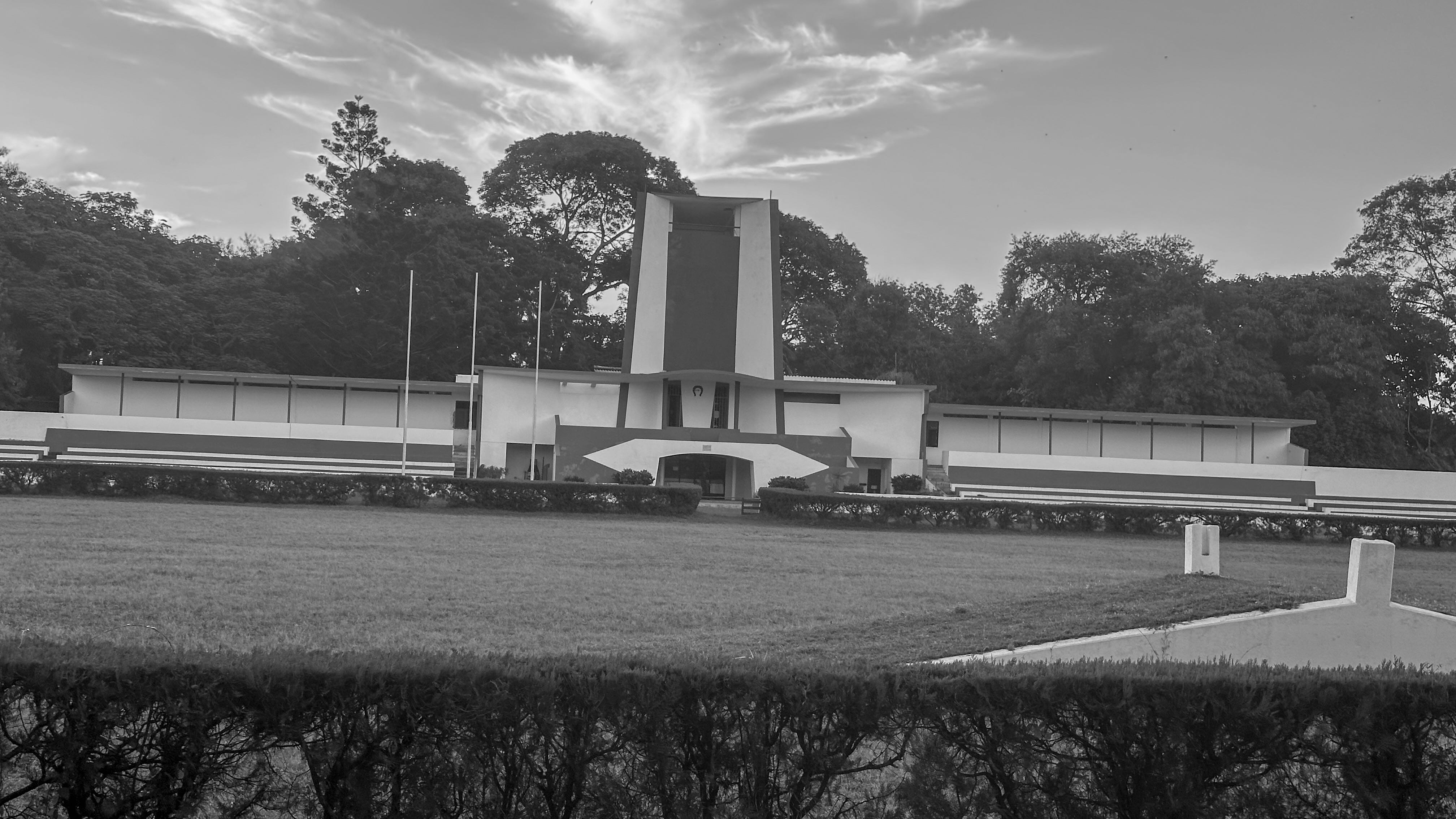
From the 1990s to the early 2000s, the Equestrian Club hosted a series of gay parties in Maputo. By this time, Mozambique was independent, post-civil war, and in the early stages of a multi-party system. The parties drew predominantly black attendees, and admission was free18. They were organised by the city’s multiracial gay network, one of its members, Luís Perdiz, a white man, was a board member of the club19. At their peak, the parties drew three hundred to four hundred people, and among them was a notable contingent of gay foreign diplomats, for whom Maputo was seen as a ‘relaxed’ city in which queerness was lived ‘openly’. This perception of Maputo as a relatively open city for queer life echoed what had drawn white gay settlers to colonial Maputo decades earlier20. The parties also coincided with an attempt by the city’s gay social network to open a gay nightclub in Maputo, modelled on bars in Johannesburg that some of its organisers frequented—an effort to bring something of that Johannesburg queer scene home, this time to a more racially mixed crowd. The Equestrian Club remains active today in its primary function.
Mabuko Bookstore and Rovuma Hotel (early 2000s)


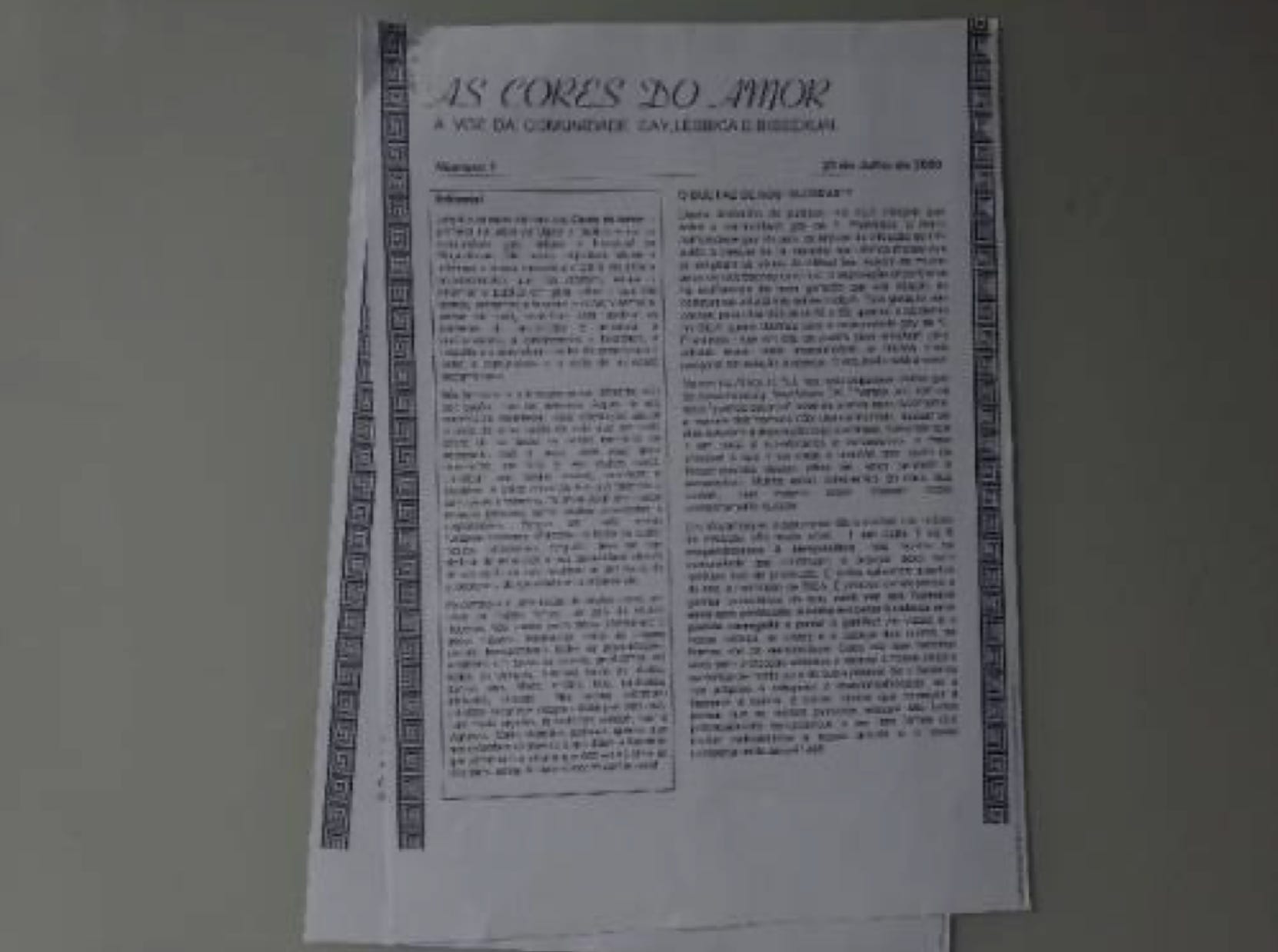
In the early 2000s, a small underground newspaper called As cores do amor (the colours of love) circulated discreetly in the city: one or two pages, printed in small quantities, distributed free of charge, carrying reflections on queerness and African identity, public health articles on HIV, and short queer narratives21. Miguel de Brito, a white Mozambican writer and journalist22, was the newspaper’s main editor. Among the contributors was Luís Perdiz—the same man who had been one of the organisers of the parties at the Equestrian Club. He was also responsible for printing the newspaper, making it available at his optician’s shop in the Rovuma Hotel23. Between 500 and 1,500 copies were printed per issue and distributed at the Mabuko Bookstore and the Rovuma Hotel, and also by email and fax—extending its reach beyond the two physical locations. At both places the newspaper was there to be seen and taken, but people took it quietly, tucking it away among their other publications.
As cores do amor brought something new to the queer scene in the city, which until then had been centred on social gathering. As far as these sources show, the newspaper was the first act with explicit queer political intent, in which queer people were writing about their own lives in Maputo. In 2007, LAMBDA relaunched the newspaper under the same name, describing it as a second initiative to bring the voice of the queer community in Mozambique to the public24.
Mozambican Photography Association (2003)
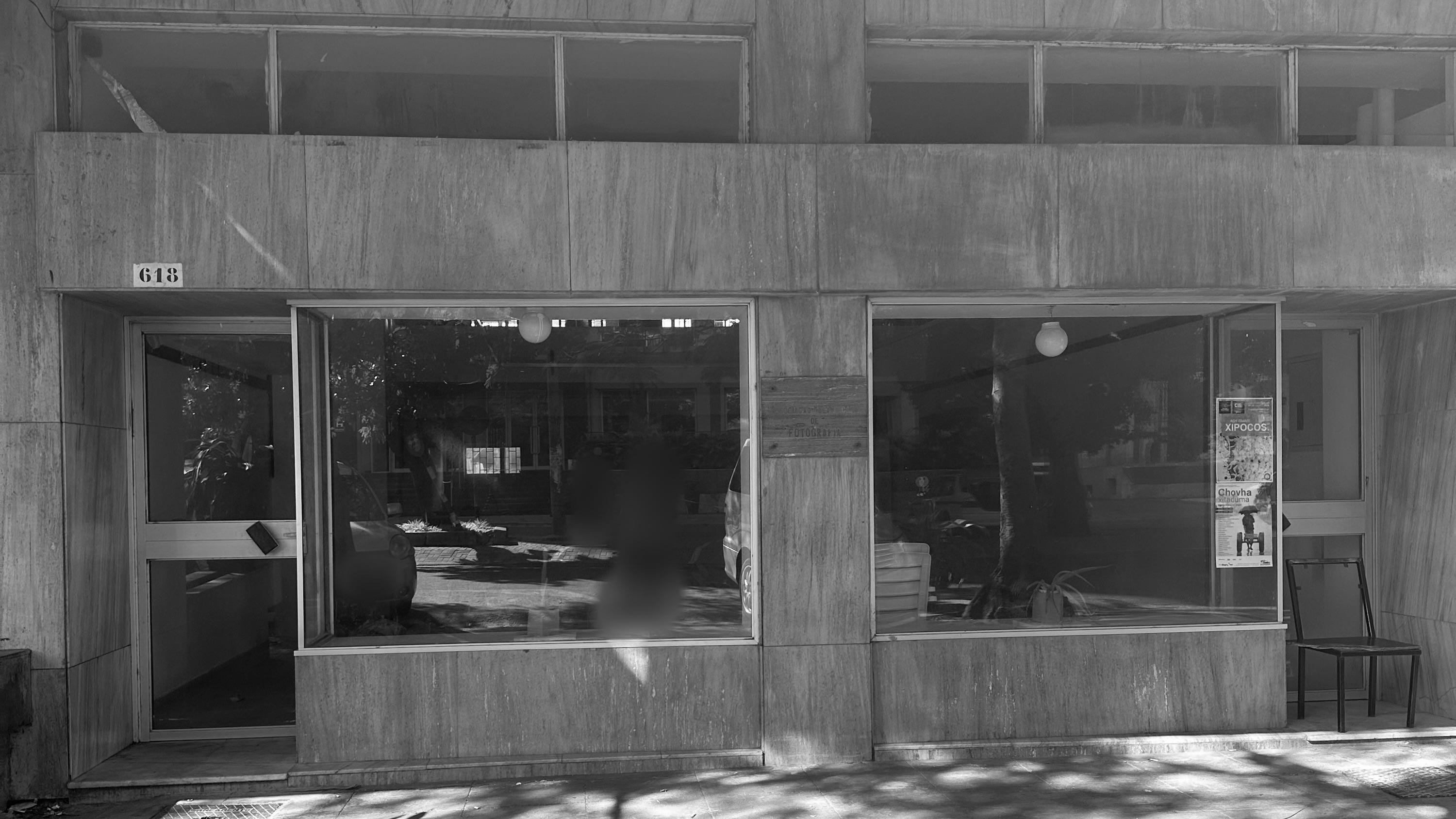
In 2003, the Mozambican Photography Association hosted what these sources describe as the city’s first queer photography exhibition: Manas (Sister), by Danish photographer and filmmaker Ditte Haarløv Johnsen. The work documented the life of Mozambican queer communities, with a particular focus on trans women in Maputo. This project also included a short film with the same name. It explored queer historicity, memory, happiness, and survival, including accounts of figures such as Ingrácia and the late Antonieta25.
The exhibition arrived carrying an already-live debate. Months earlier, at the Fourth Conference of the International Association for the Study of Sexuality, Culture, and Society in South Africa, a selection of the photographs had prompted questions about representation and who controls the narratives of black queer bodies. The Maputo exhibition engaged those tensions directly, in public, in a gallery context—a moment the sources describe as a landmark for the display of queer bodies and narratives in the city. The tensions were addressed in greater depth in Johnsen’s 2025 book Maputo Diary26.
Tivoli Hotel (2006)
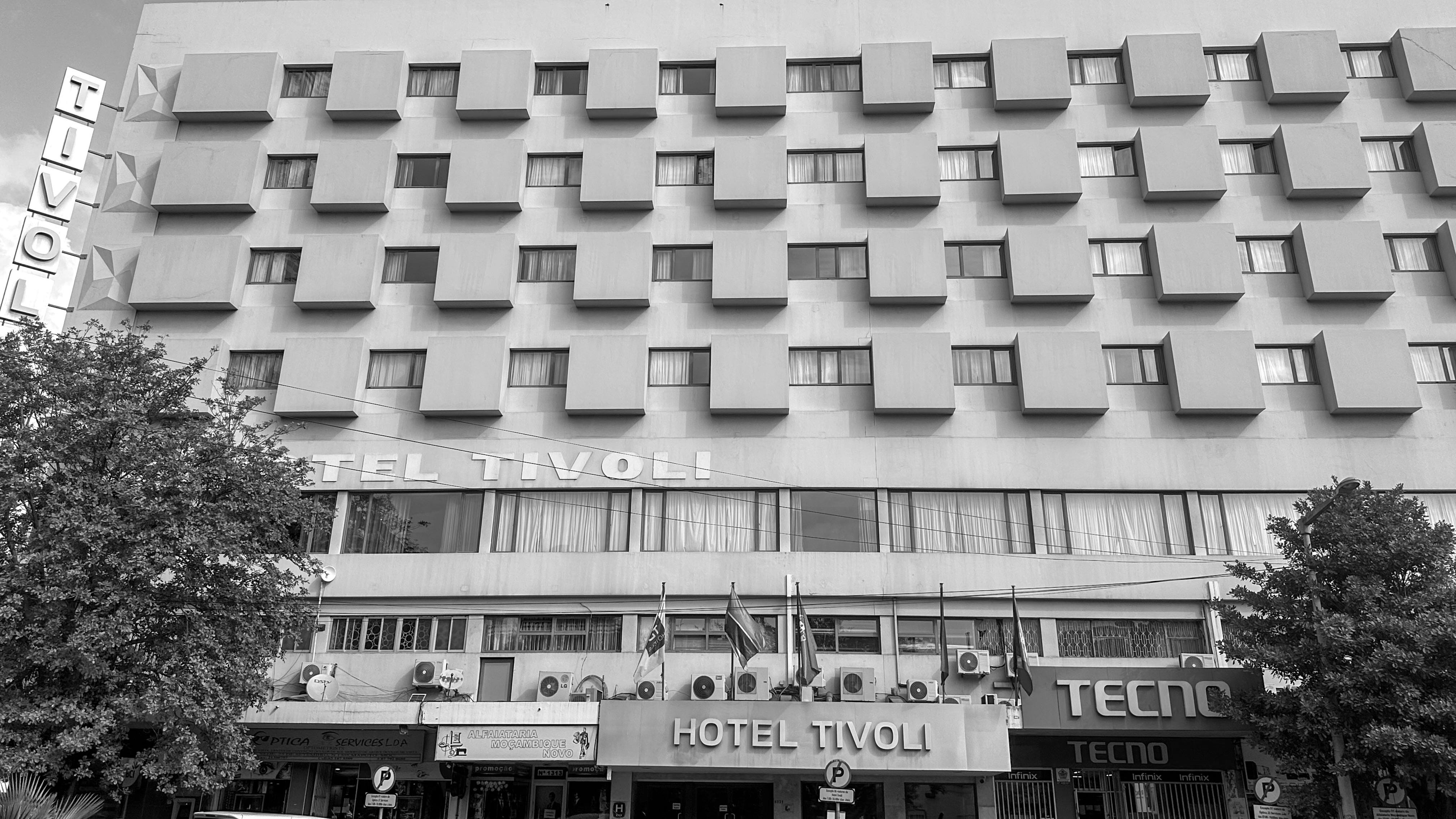
In 2006, the Mozambican Human Rights League organised a two-day conference at the Tivoli Hotel focusing on LGBT issues. By the end of the conference, LAMBDA, the first queer organisation in Mozambique, was created27.
Nearly two decades later, at the time of writing, LAMBDA remains unregistered by the state. The justification offered by the state is that ‘Mozambique is not ready’28—a justification that is more moral than legal: no law prohibits the registration of organisations like LAMBDA, but the state has declined nonetheless. For legal and financial purposes, the organisation operates under the umbrella of a registered body, functioning without explicit state recognition29. Where engagement with the state occurs, it is largely through the Ministry of Health, through HIV programmes in which MSM (men who have sex with men) are one of the target groups—a purely epidemiological frame of engagement, not extended to other areas of LAMBDA’s work30.
Campinho da Mafalala (2010s)
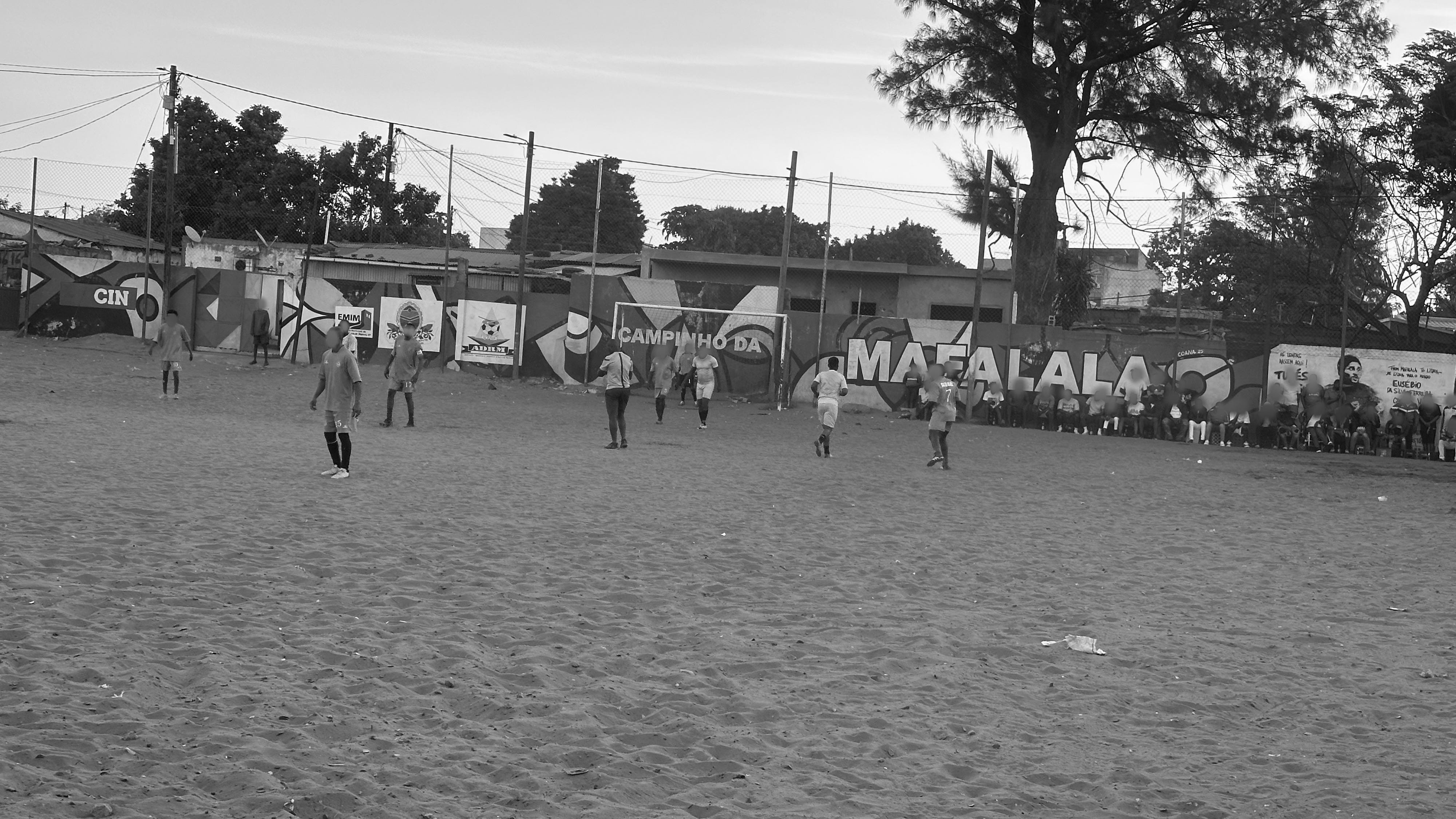
For many LBQ women in Maputo, sporting spaces, especially football pitches, are more than just sport. They are also about community. Campinho da Mafalala, a historic pitch in a historic neighbourhood, is one such place. The pitch is a space where mostly LBQ women go to play, but also functions as a place to gather, to be seen, and to be known31. A post from November 2018, on LAMBDA’s Facebook page, announced that the LAMBDA women’s team (lesbian and bisexual women) won the 2018 coalizão women’s football cup, with the final match played at Campinho da Mafalala32. Across posts from 2016 to 202633, football is shown as a consistent way of coming together, with Campinho da Mafalala as its regular venue. This is the only place on the map that centres on LBQ women’s experience, reflecting the limits of the sources for this assembly.
One history this map could not place sits just outside it.
CFM Railway Station
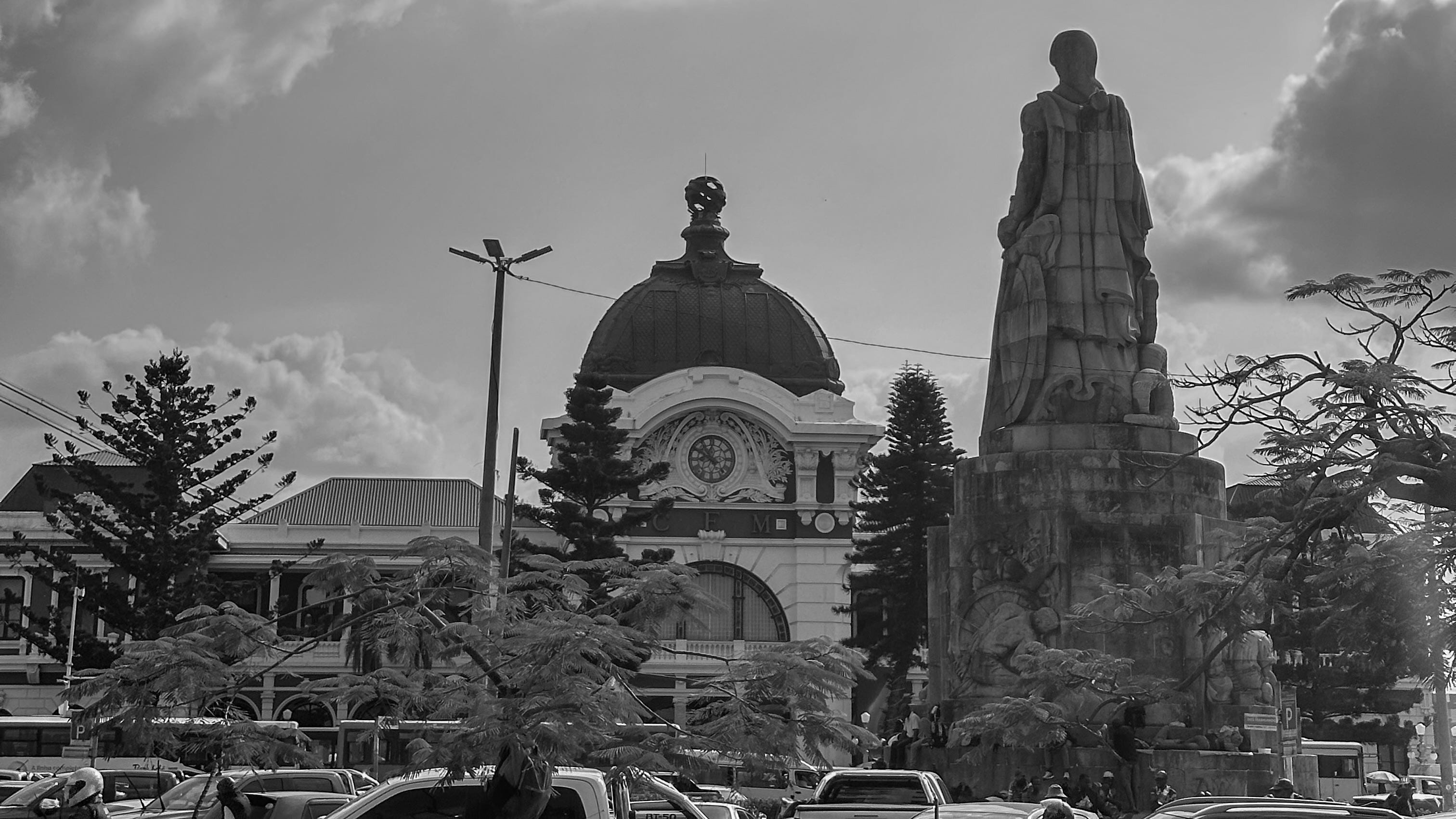
There is a well-documented queer history of Mozambique that this map cannot place. The same-sex intimacies in the South African mining compounds—the marriages, the relationships, the practices that Mozambican miners, particularly the Machangana, are recorded as having carried there34. Exist in an extensive archive. That archive is almost entirely in English, written and theorised outside Mozambique. Inside the country, the subject was not unknown—a Portuguese colonial envoy visited twelve mining compounds and wrote over a hundred pages on conditions there without mentioning the marriages once35. A study on Mozambican miners published in Maputo decades later cited a mine working song, N’wa Marosa Xi N’wi Kumile, acknowledged the homoerotic undertones in it36, and said nothing more.
The CFM station is where this map tries to anchor these stories in the city, knowing it cannot fully do so. The terminal was the point of passage through which Mozambican bodies departed for the South African mines37, and many of them were the centre of homo-affective and homo-intimate stories, experiences, and performances. The station is not where these stories took place. It is the closest the map can get to bringing them home.
A fragment, offered as a beginning
These places in Maputo held queer lives—some loudly, some quietly, some under the cover of carnival or entertainment or sport. Others this map could only gesture toward. The lives exceeded the places, and the places exceeded what the sources captured. What is here is a fragment of a city's queer memory, offered as a beginning.
For a geographic and walking experience of these places, the map is here.
Reference
Araújo, C. S. de. (2021). Queering the City: Politiques de la sexualité et de l’intimité à Lourenço Marques (Mozambique), 1961-1982. Revue d’histoire contemporaine de l’Afrique, (2), Article 2. https://doi.org/10.51185/journals/rhca.2021.e557
Araújo, C. S. de. (2022a). Along the Pink Corridor: Histories of Queer Mobility Between Maputo and Johannesburg (Ca. 1900–2020). In Queer and Trans African Mobilities (1st ed.). Bloomsbury Publishing.
Araújo, C. S. de. (2022b). Sujeitos sem história? Cidadania sexual, temporalidade e os desafios da pós-colonialidade em Moçambique. In Desafios para Moçambique 2022. IESE.
Araújo, C. S. de. (2022c). Sex, Lives and Videotape: The Transhistoricity of an Itinerant Visual Archive. African Studies, 81(3–4), 354–375. https://doi.org/10.1080/00020184.2023.2174076
Araújo, C. S. de. (2023). Carnival, Power, and Queer Joy: Chrono-normativity, Carnivalesque Transgressions, and the Spectacle of Gender in Lourenço Marques, Mozambique (ca. 1950–1975). Nordic Journal of African Studies, 32(3), Article 3. https://doi.org/10.53228/njas.v32i3.1085
First, R. (2015). O mineiro moçambicano: Um estudo sobre a exportação de mão de obra em Inhambane. Livraria Universitária.
Gomes da Costa Santos, G. (2021). Reflexões sobre o legado colonial português na regulação das práticas sexuais entre pessoas do mesmo sexo em Moçambique. Anuário Antropológico, (v.46 n.2), Article v. 46 n.2. https://doi.org/10.4000/aa.8325
Gomes da Costa Santos, G., & Waites, M. (2022). Analysing African advances against homophobia in Mozambique: How decriminalisation and anti-discrimination reforms proceed without LGBT identities. Sexuality and Culture, 26(2), Article 2. https://doi.org/10.1007/s12119-021-09908-8
Johnsen, D. H. (2025). Maputo Diary. Diskobay. https://www.diskobay.org/books/maputo-diary/
LAMBDA. (2007). Editorial. As Cores Do Amor.
LAMBDA. (2016). = Campeonato De Futebol Para Mulheres Lésbicas 2016 = [Post]. Facebook. https://tinyurl.com/3dbmf5au
LAMBDA. (2018). Lambda Campeã Da Copa Coalizão Em Futebol Feminino 2018 [Post]. Facebook. https://tinyurl.com/47bmu4z9
LAMBDA. (2022). O Futebol Está De Volta E A “Bi-Campeã” Lambda Estará Lá [Post]. Facebook. https://tinyurl.com/b8t7c7by
LAMBDA. (2026). Atenção cidades de Maputo, Nampula e Nacala! 📍⚽🏳️🌈 [Post]. Facebook https://tinyurl.com/zekrxtr2
Miguel, F. P. V. (2019). Maríyarapáxjis: Silêncio, exogenia e tolerância nos processos de institucionalização das homossexualidades masculinas no sul de Moçambique [Phd, State University of Campinas (UNICAMP)]. https://doi.org/10.13140/RG.2.2.31602.32964
Pirie, G. (1993). Railways and labour migration to the rand mines: Constraints and significance. Journal of Southern African Studies, 19(4), 713–730. https://doi.org/10.1080/03057079308708380
Quembo, C. D. (2012). O poder do poder: Operação Produção (1983) e a produção dos “improdutivos” urbanos no Moçambique pós-colonial: 65-81. Cadernos de História de Moçambique.
Sousa, J. de. (2020). UMA DATA NA HISTÓRIA – 5 de Outubro de 1934… fundação do “Malhangalene” – “Xipalapala” de. BigSlam. https://tinyurl.com/yv848z5s
Timbana, A. M. (2011). De “Maria-rapaz” à lésbicas: Trajectórias identitárias de mulheres que fazem sexo com outras mulheres. [Undergraduate thesis]. Eduardo Mondlane University.
The sources do include, to varying degrees, experiences that might today be understood as trans women. But those experiences tend to appear under broader labels—gay, homosexual, travesti—whose meanings were not fixed and shifted across time and place. Araújo (2023) notes that the word travesti, in the colonial period, referred mainly to cross-dressing performers; it was only later that it became associated with a non-normative gender identity. Something similar applies to how people named their own experiences: some of the trans women interviewed in Miguel's (2019) research did not use the word 'transgender' to describe themselves—not because they didn't know the term, but because it hadn't yet taken on the weight and meaning it carries today. This doesn't mean trans experience is absent from the sources. It means those experiences don't fit neatly into the identity categories we might reach for now. To label them as such would be to impose a clarity the sources themselves don't offer.
(Miguel, 2019, p. 63; Gomes da Costa Santos, 2021, p. 159)
(Miguel, 2019, p. 78)
(Araújo, 2022a, p. 66)
(Araújo, 2022a, p. 73)
(Miguel, 2019, p. 163)
Under Portuguese colonial law, assimilados were natives who had acquired legal status equivalent to that of Portuguese citizens by demonstrating literacy in Portuguese, stable employment, and the abandonment of African customs. The category created a legally recognised tier between white settlers and the native majority, who were classified as indígenas and subject to a separate, more restrictive legal regime. However, legal equivalence did not translate into social equality. Assimilados remained subject to the racial hierarchies that organised colonial life. The category was abolished at independence in 1975. (Miguel, 2019; Gomes da Costa Santos, 2021).
(Miguel, 2019, p. 81)
(Araújo, 2023, p. 191)
(Araújo, 2023, p. 200)
(Sousa, 2020)
(Miguel, 2019, p. 111)
(Araújo, 2023, p. 197)
(Araújo, 2021, p. 136)
Launched in 1983 by the FRELIMO government, Operação Produção was a state campaign that forcibly relocated people classified as 'unproductive'—the unemployed, sex workers, those deemed vagrants—from urban centres to rural agricultural settlements and re-education camps, military facilities in the forest designed to reshape those classified as deviant into productive citizens. The operation was framed within the post-independence project of building the 'new man' and eliminating social deviance. (Quembo, 2012).
(Araújo, 2021, p. 144, 2022a, p. 67)
(Araújo, 2022b, p. 410)
(Miguel, 2019, p. 164)
(Miguel, 2019, p. 163)
(Miguel, 2019, p. 164)
(Miguel, 2019, p. 169)
(Miguel, 2019, p. 169)
(Miguel, 2019, p. 170)
(LAMBDA, 2007, p. 01)
(Araújo, 2022c)
(Araújo, 2022c; Johnsen, 2025)
(Miguel, 2019, p. 178); Danilo da Silva, personal communication, April 2026.
(Gomes da Costa Santos & Waites, 2022, p. 561)
(Miguel, 2019, p. 188)
(Gomes da Costa Santos & Waites, 2022, p. 562; Miguel, 2019, p. 189)
(Timbana, 2011, p. 18)
(LAMBDA, 2018)
(LAMBDA, 2016, 2022, 2026)
(Miguel, 2019, p. 44-53)
(Miguel, 2019, p. 53-54)
(First, 2015, 39)
(Pirie, 1993, 716; First, 2015, 20)